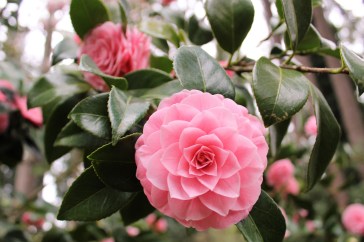
My mother’s garden started as a 2-acre piece land full of rocks and dirt in a small town in Washington state. Over the next 30 years, she worked to transform the unruly patch into a sprawling garden that houses plants native to both the Pacific Northwest and Korea.
When I asked her how many different species of plants she had, she started rattling off an impressive list of names in both English and Korean. It was then that we realized that there are a lot of plants for which we don’t know their English translations.
Take this berry, for example:
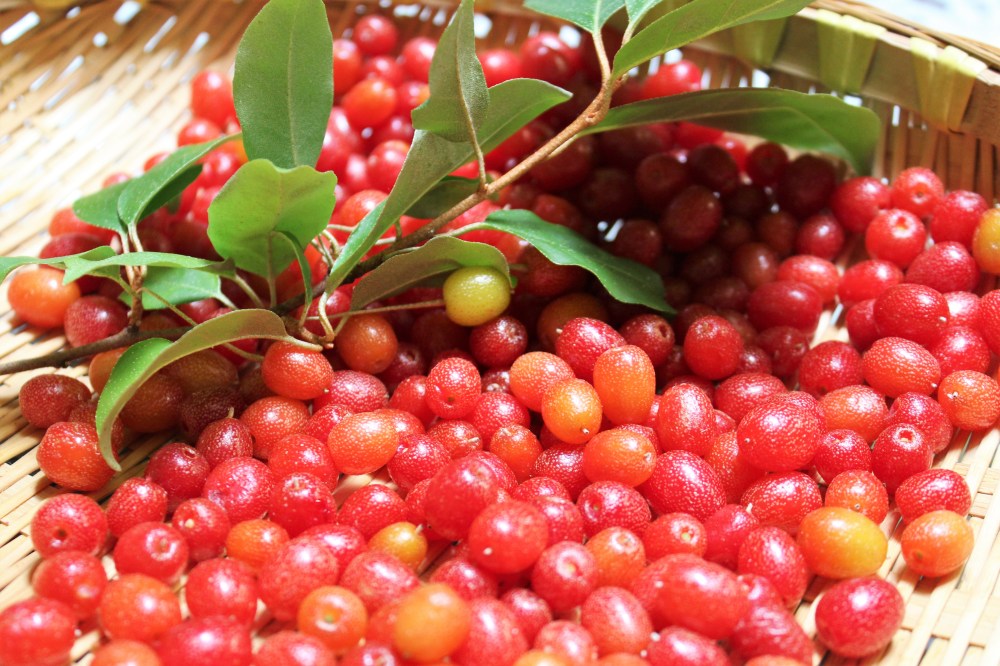
I only ever knew the berry as “보리수“, but how to call it in English? After two hours of scouring the internet, some confounding information for the similarly named “bodhi berry”, and sheer luck, we learned that it is (most likely) called Goumi (Gumi), or the Cherry Silverberry.
In Korea, this berry is used for medicinal purposes, from treating asthma to soothing coughs. They eat it dried, snack on it preserved and imbibe it as a wine. In America, I’ve found that it makes a delicious jam, perfect with freshly baked french bread. The recipe for this ridiculously easy jam will be up shortly.
It has been difficult to find English resources on the Korean fruits and herbs that my mother has come to love, so we have started cataloging these plants with photos and small notes about their cultivation and use. We hope that some of this might be helpful for the second- and third-generation Koreans that might be curious about the things that their grandmothers keep in their yards.
 NWSeoul